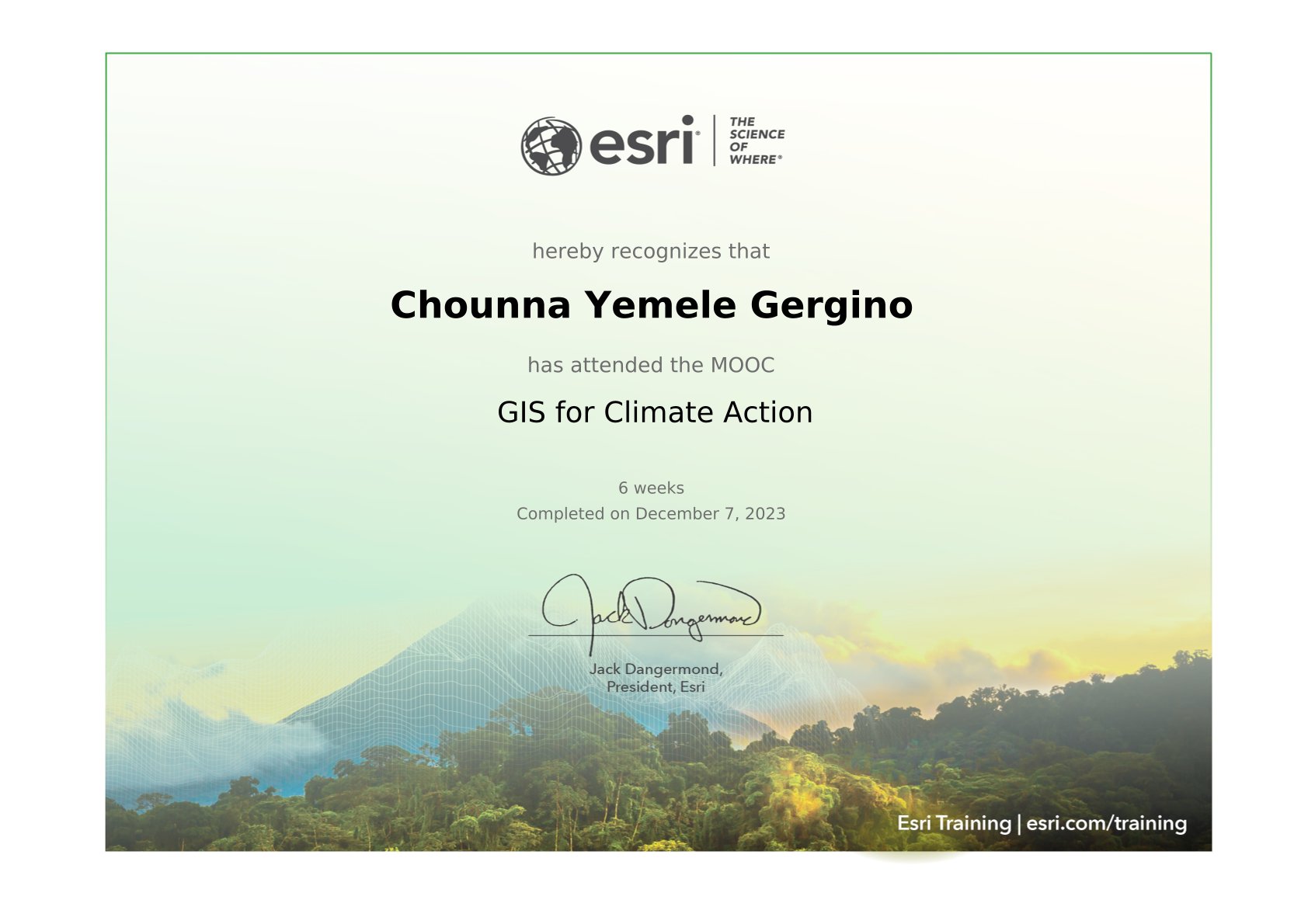
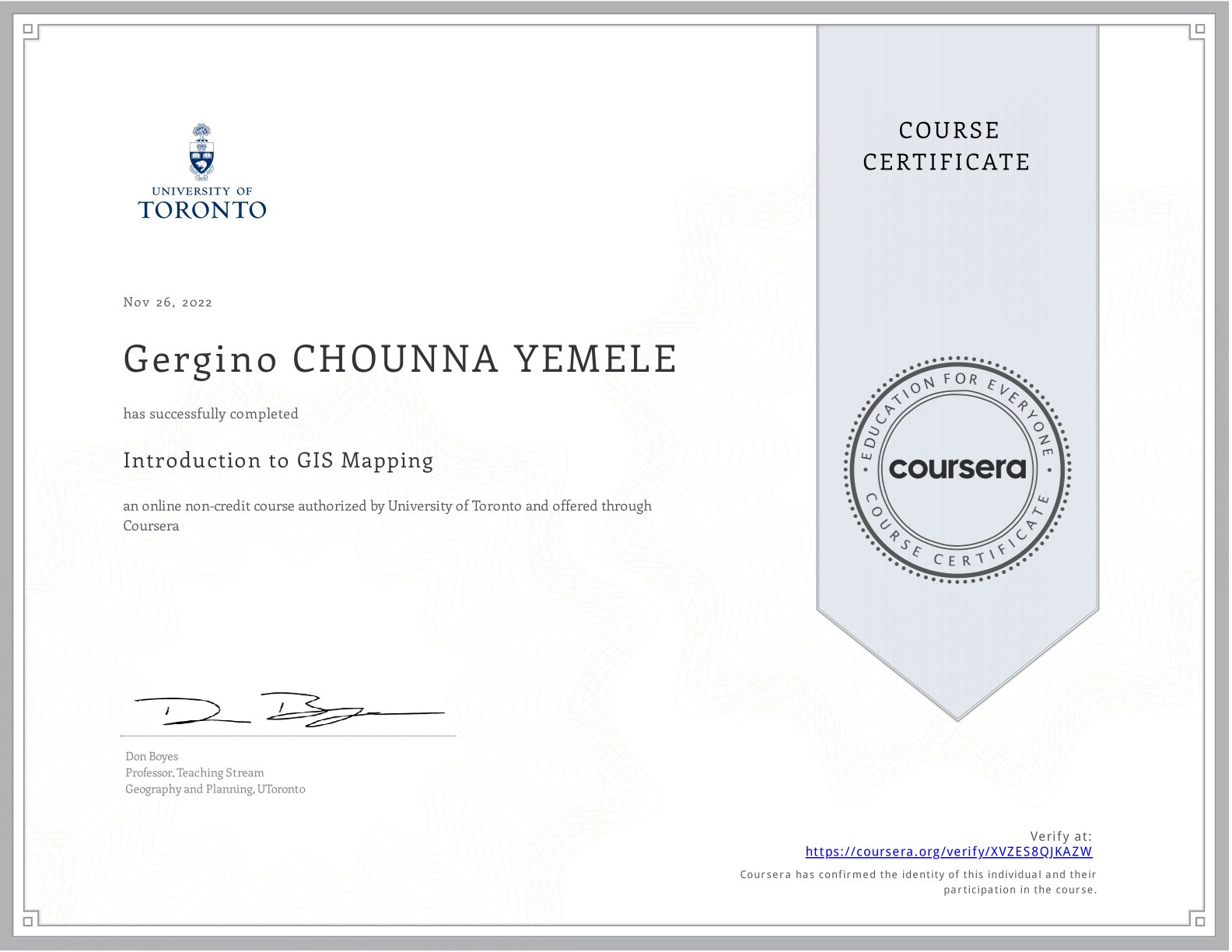
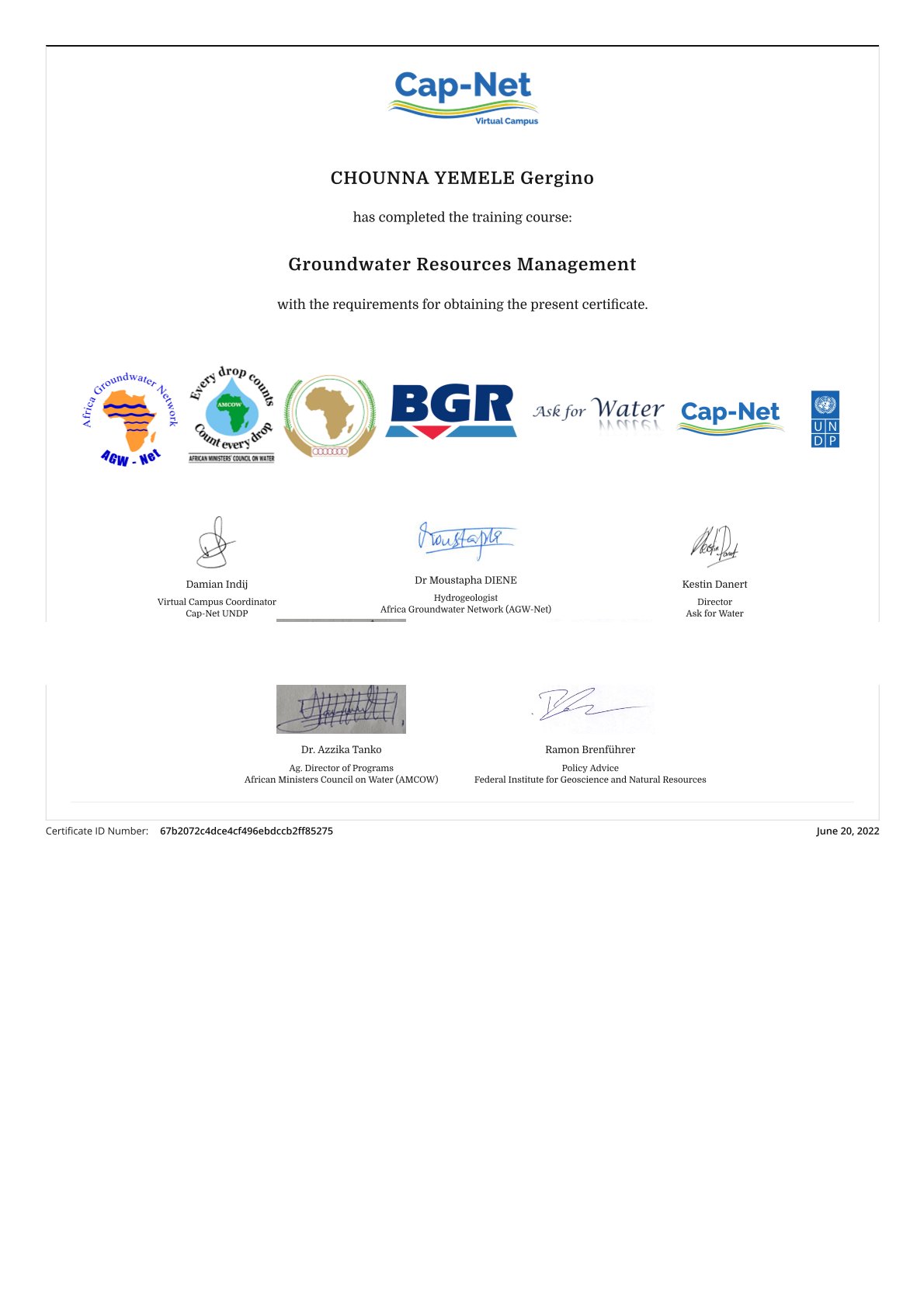
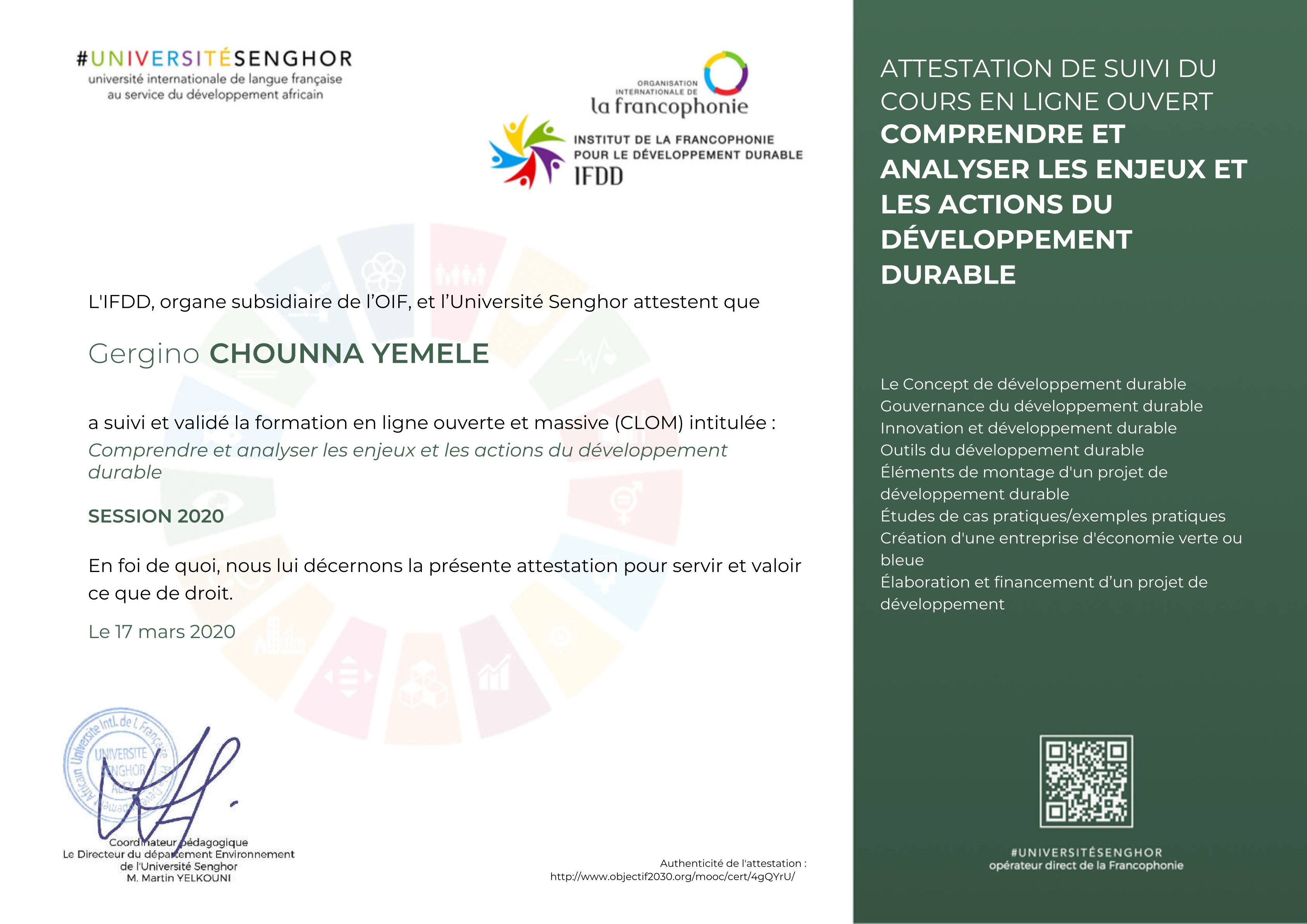
I am an Environmental Engineer and Scientist from Cameroon, driven by Research for Development as a powerful pathway to tackle Africa’s environmental and socio-economic hurdles. My work operates at the dynamic intersection of engineering, environmental research, climate resilience, water security, and sustainable development, dedicated to turning scientific findings into well-informed decisions for communities, vital infrastructure, and ecosystems.
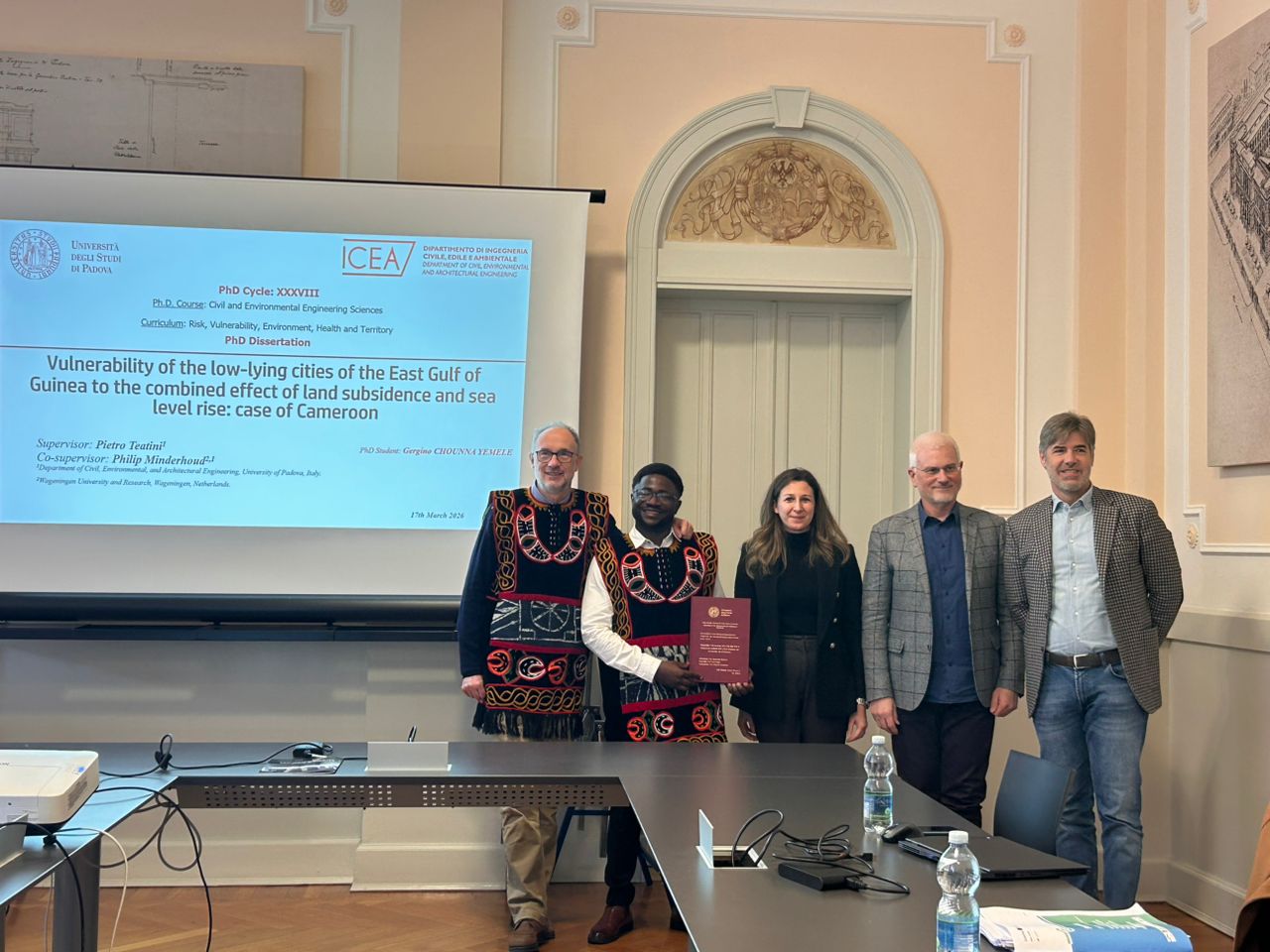
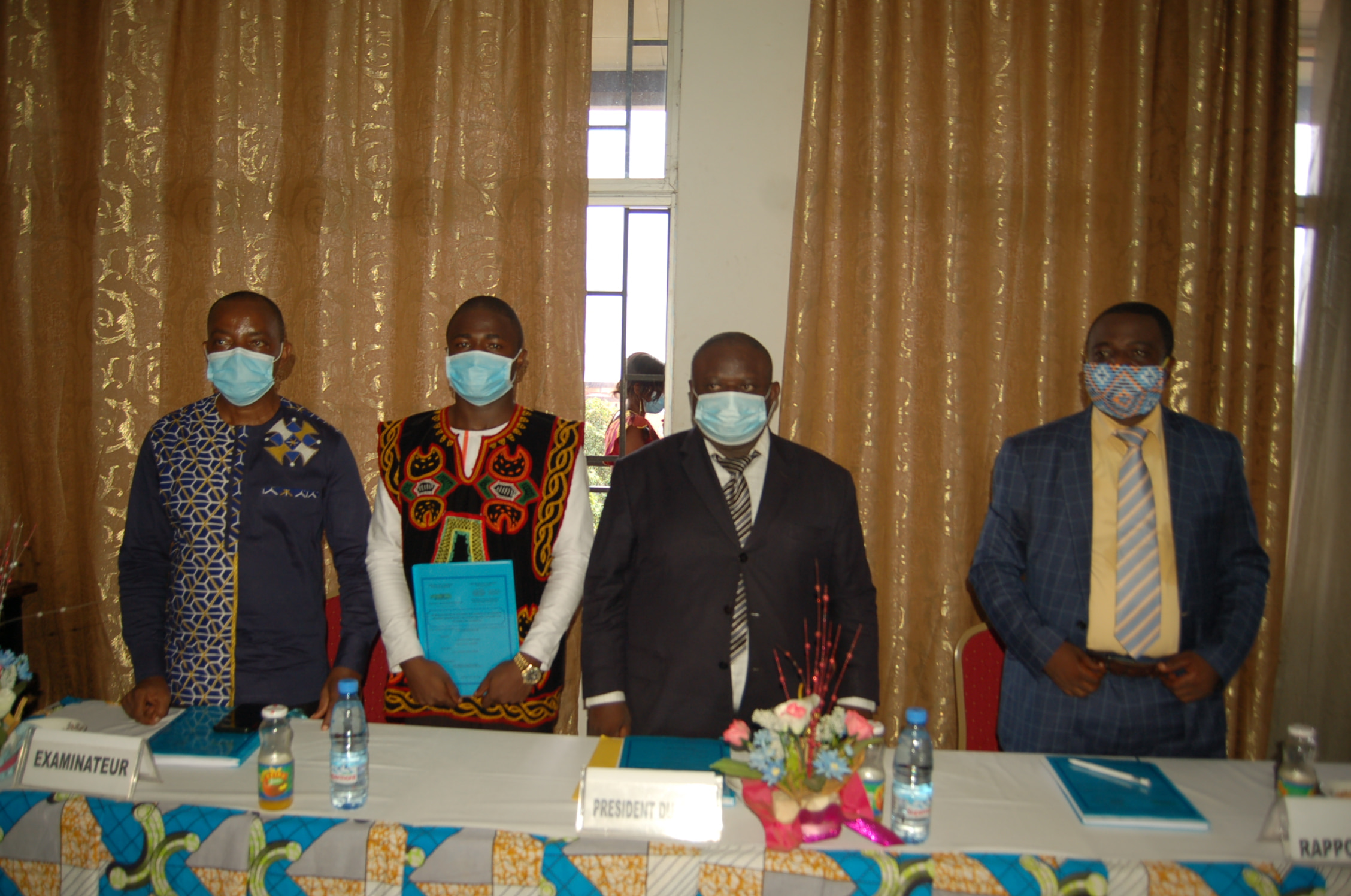
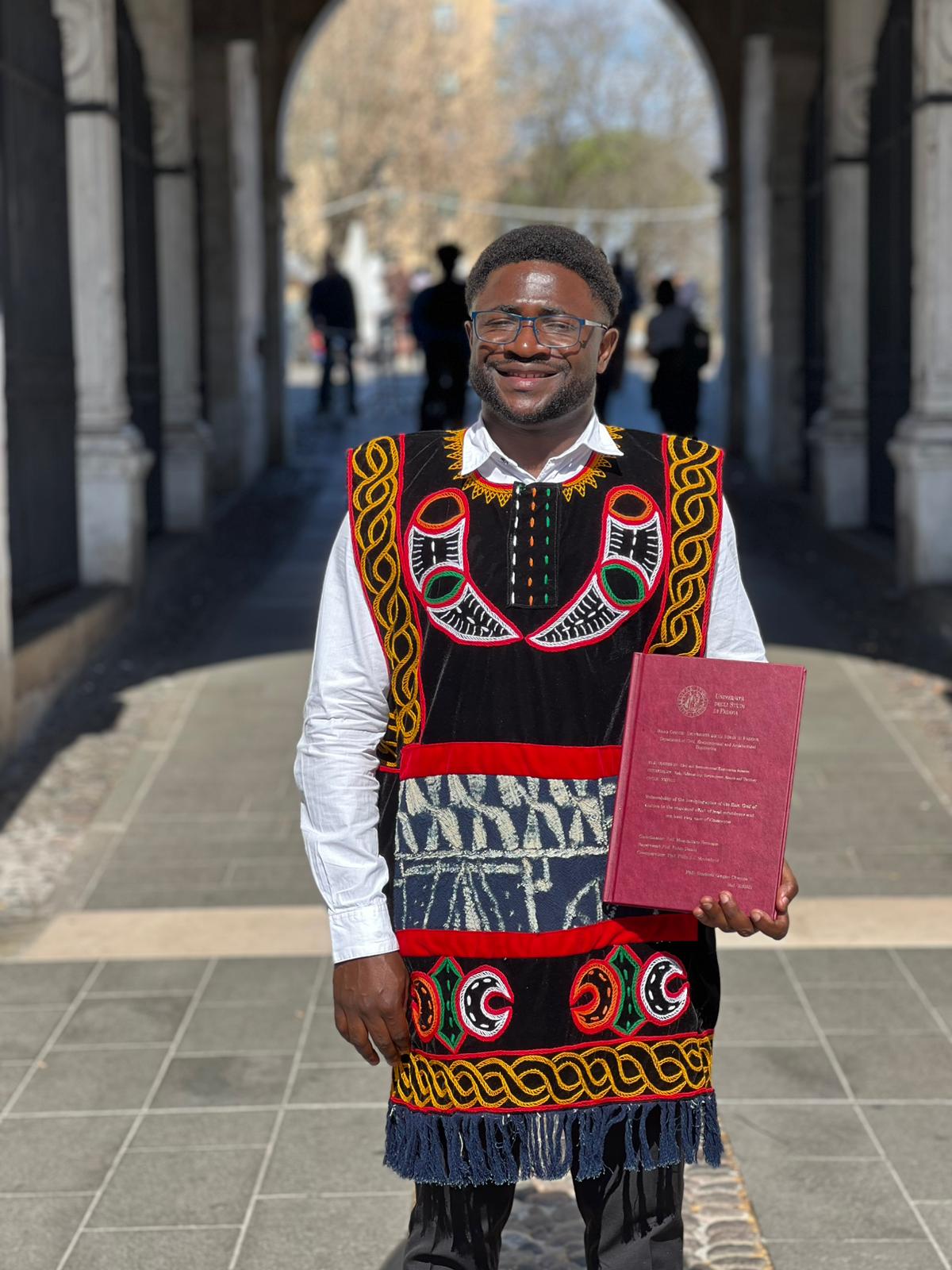
I earned dual Master’s degrees in Environmental Engineering from both the National Advanced School of Public Works in Yaoundé and the University of Padova, investigating the interconnections between water resources, agriculture, and rural populations in Northern Cameroon. Following this, I completed my doctoral studies in Civil and Environmental Engineering Sciences at the University of Padova, examining the vulnerability of low-elevation cities along the Eastern Gulf of Guinea under compound stresses from land subsidence, extensive groundwater withdrawal, coastal flooding, and relative sea-level rise driven by climate shifts.
Presently, I serve as a Research Fellow at the University of Padova, analyzing coastal risks, subsidence phenomena, water availability, and climate resilience. My methodology brings together environmental analytics, geospatial technologies, Earth observation, environmental modelling, data science, and systems thinking to uncover nuanced environmental hazards across rapidly expanding, climate-sensitive areas. This research has appeared in international peer-reviewed journals and has been presented at academic gatherings across Africa and Europe.
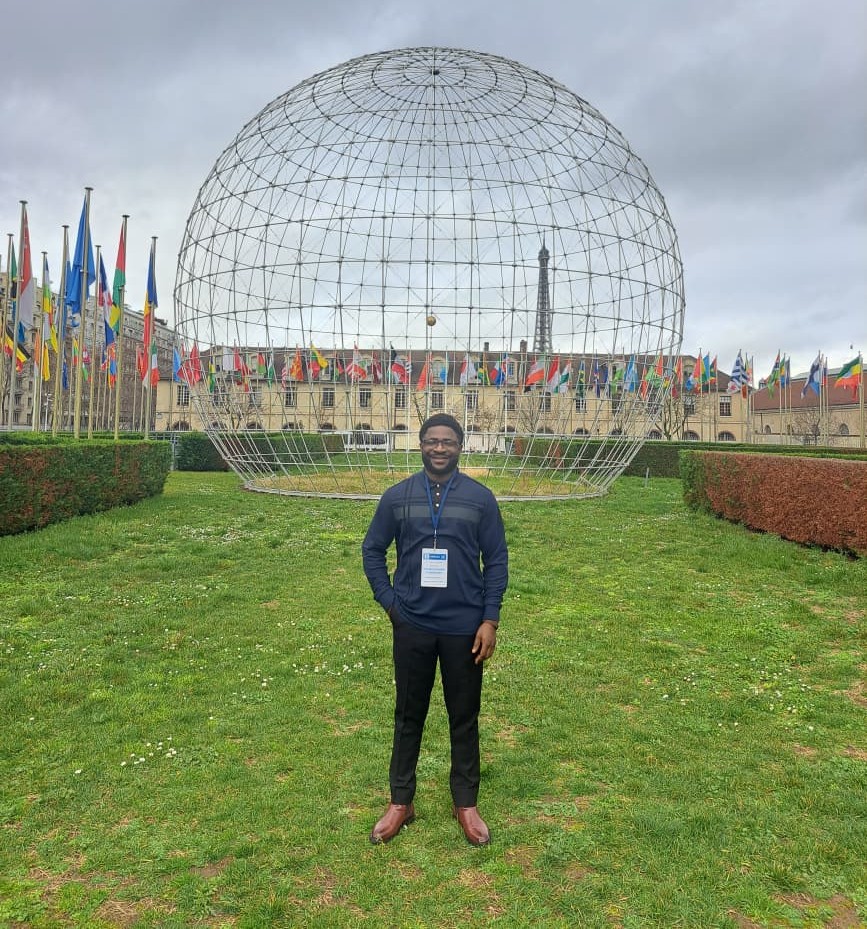
Outside the university environment, I actively link research insights with professional partnerships, global dialogues, and tangible interventions. I joined the Rural Water Supply Network (RWSN) in 2020 and became part of the UNESCO Groundwater Youth Network (GWYN) in 2022 to collaborate with emerging leaders and water practitioners across the globe. Through these initiatives, I have contributed to forums such as the UN Groundwater Summit, Africa Dialogue Series, international scientific symposiums, and youth programs. Within UNESCO GWYN, I have undertaken responsibilities as Africa Regional Lead (2022–2026), Steering Committee member (2022–2026), and Chair of the Communication Committee (2024–2026), promoting scientific exchange, broader outreach, and youth-led water action.
Along this trajectory, I have focused on how empirical science can better shape policy frameworks, strategic investments, and grassroots execution. Environmental risks are never purely technical problems; they are interwoven with public governance, institutional design, market incentives, financial mechanisms, and execution capacity. Consequently, addressing development hurdles across Africa demands solid bridges linking science, policy, business, and society.
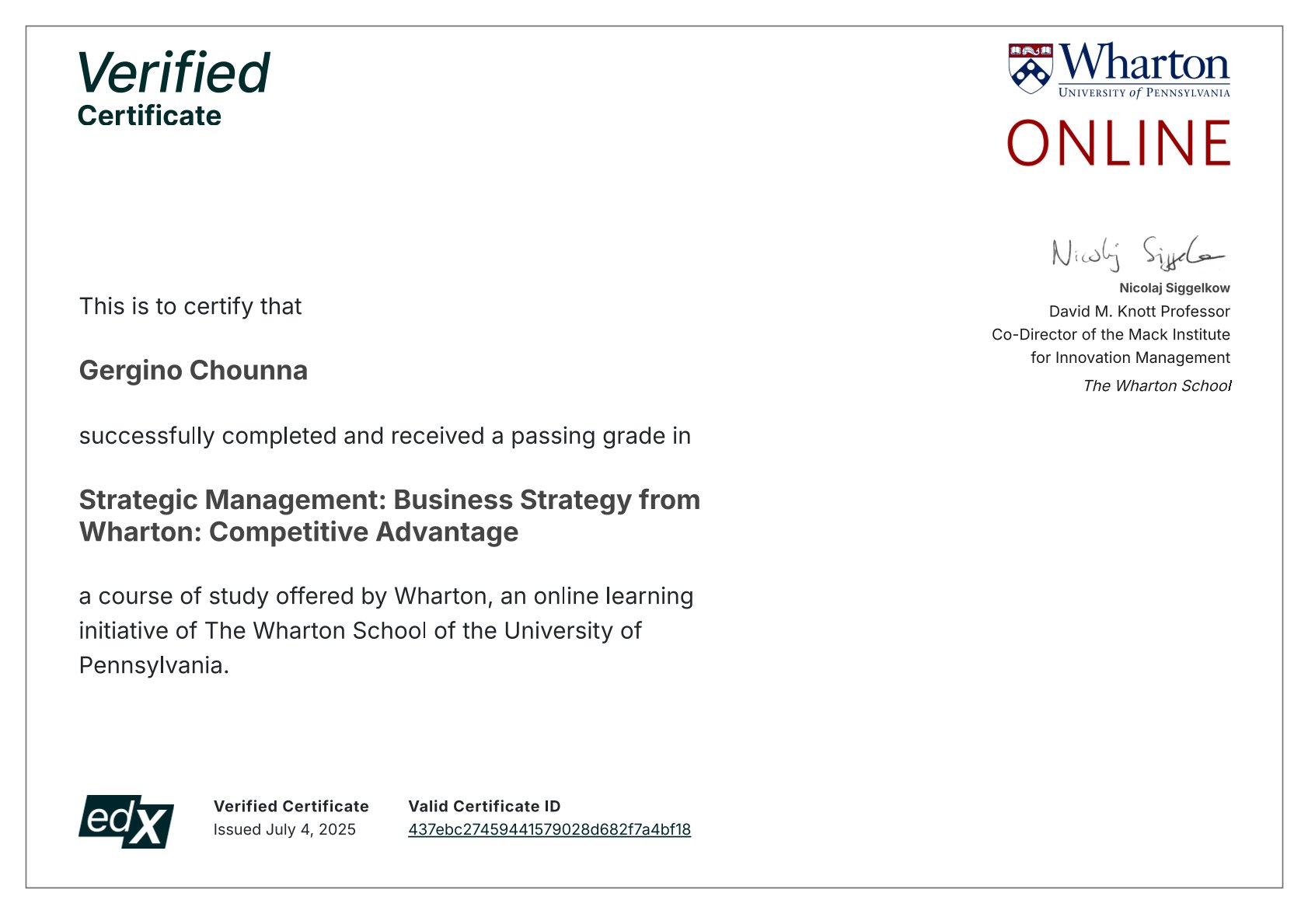
Rooted in an ambition for sustainable and equitable progress across the African continent, I continue broadening the multi-disciplinary skills needed to support systemic change. Complementing my technical engineering foundation, I am deepening my grasp of public policy, strategic management, emerging-economy development, and international management, supported by an MSc in Public Policy and Management at Birkbeck, University of London. My central ambition is not merely generating studies, but translating insight into data-driven, practical, and context-sensitive solutions for water, climate, and development imperatives.
I am especially drawn to environments where acute climate vulnerability collides with rapid urbanisation, resource constraints, and institutional and technical capacity gaps. I recognize immense opportunities to harness research, technology, systems thinking, and cross-sector partnerships to fortify resilience across Africa and other developing regions.
I remain equally dedicated to genuine youth leadership in regional development. Through fellowships and platforms such as the World Youth Forum, Future Africa Fellowship, Arqus Alliance Ambassadorship, Max Thabiso Edkins Youth Ambassadorship, and Aspire Leaders Fellowship, I have engaged closely with international networks of young change agents shaping societal futures.
True youth participation must transcend mere symbolic presence. Young professionals require practical skills, conceptual clarity, strategic foresight, and access to networks to guide policy formulation, institutional leadership, and project execution. Cultivating an ecosystem where young leaders turn these strengths into tangible impact remains fundamental to my vision.
My objective is to lead at the convergence of science, strategy, policy, and sustainable development, enabling communities, public bodies, and enterprises to convert climate evidence into resilient actions and inclusive development outcomes across Africa.